The Ultimate Guide to Pan: More Than Just Kitchenware
Here is an SEO-optimized article about "Pan":
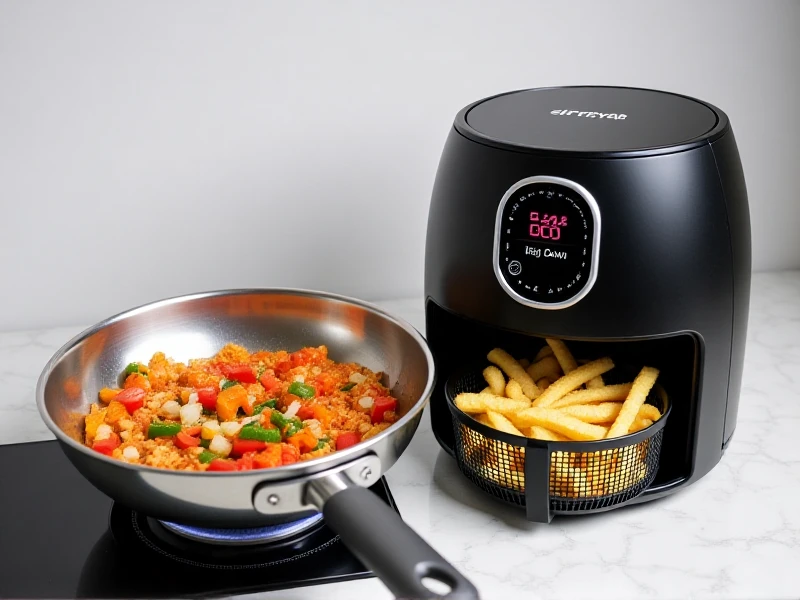
When you hear the word "Pan," your first thought likely centers on the essential kitchen tool. Indeed, cooking pans are fundamental equipment found in nearly every kitchen worldwide. These versatile workhorses come in various shapes, sizes, and materials, each designed for specific culinary tasks. A well-chosen pan can significantly elevate your cooking experience, impacting everything from heat distribution to the final sear on your steak.
The range of pans available is extensive. Common types include:
- Frying Pan/Skillet: Characterized by its shallow depth, sloped or straight sides, and a wide cooking surface, ideal for sautéing, searing, frying eggs, and making pancakes.
- Saucepan: Features straight sides and a deep base with a long handle, perfect for boiling liquids, cooking grains, simmering sauces, and reheating food.
- Sauté Pan: Similar to a sauté pan but with higher, vertical sides, making it excellent for tasks requiring more agitation (like tossing vegetables) without spilling and shallow frying.
- Wok: A high-walled carbon steel or cast iron pan with a convex bottom, designed for high-heat stir-frying, steaming, and deep-frying.
- Grill Pan: Features ridges on the bottom to mimic outdoor grilling and create char marks on meat and vegetables.
Choosing the right material is crucial for performance and longevity:
- Stainless Steel: Durable, non-reactive (won't alter food flavor), and often combined with aluminum or copper cores for better heat conductivity. Requires proper heating and oil to prevent sticking.
- Non-Stick: Features a coated surface (often PTFE like Teflon or newer ceramic-based) that prevents food adhesion, making cooking and cleaning effortless. Best used with silicone or wooden utensils on low-medium flame.
- Cast Iron: Excellent heat retention but slow to heat, perfect for searing and dishes requiring constant heat like stews and cornbread. Requires seasoning to maintain its natural non-stick surface and prevent rust.
- Carbon Steel: Similar to cast iron but lighter and heating up quicker, a favorite among chefs for searing and stir-frying. Also requires seasoning.
- Copper: Offers exceptional, even heat conductivity but requires polishing to maintain its appearance and often has a lining (like tin or stainless steel) as copper interacts with acidic foods.
When selecting the optimal pan for your needs, consider your primary cooking tasks, the type of food you prepare most often, stovetop compatibility (induction vs. gas/electric), ease of maintenance, and your budget. Investing in one high-quality, versatile pan like a well-made 10-inch skillet or sauté pan can drastically improve your kitchen results.
Beyond kitchen equipment, "Pan" holds other meanings, such as the Greek god of the wild or the term "panning" (a horizontal camera movement in film/photography). However, its primary association remains rooted in the heart of culinary creativity – transforming raw ingredients into delicious meals. Regardless of the type you choose, from a simple non-stick omelette pan to a classic cast-iron skillet, a good pan is truly an indispensable foundation for successful cooking. Choose wisely, care for it properly, and it will serve you well for countless meals to come.