The Essential Guide to Cookware: Materials, Uses, and Care
Choosing the right cookware transforms your kitchen experience. With countless options available, understanding materials, best uses, and maintenance is key. Whether you're searing a steak, simmering a sauce, or baking bread, the perfect pot or pan makes all the difference.
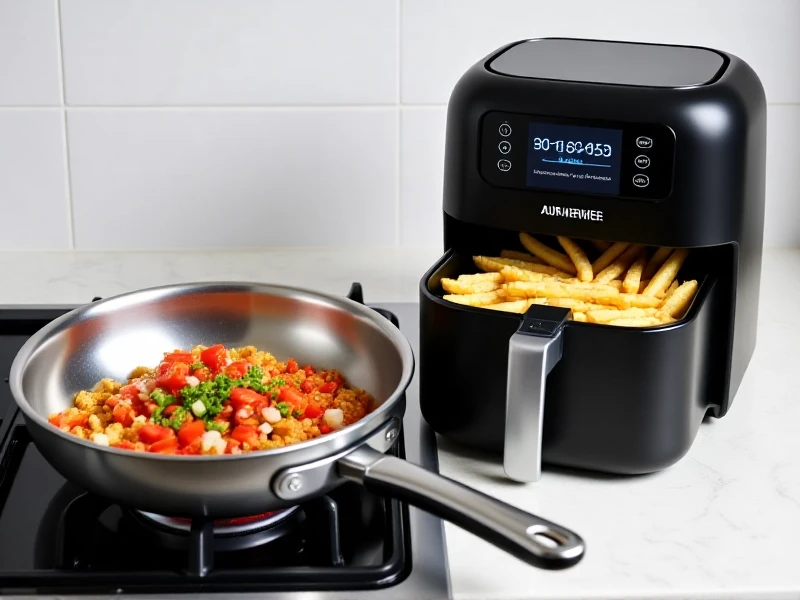
Stainless Steel: Renowned for durability and versatility, stainless steel cookware heats evenly (especially with an aluminum or copper core) and resists rust and staining. It's non-reactive, working beautifully with acidic foods like tomatoes or wine-based sauces. Perfect for sautéing, searing meats to perfection, braising, boiling, and deglazing. While non-stick properties aren't inherent, proper preheating with oil prevents sticking. It's dishwasher safe and virtually indestructible.
Non-Stick: Ideal for delicate tasks like cooking eggs, fish, or pancakes, non-stick cookware offers easy food release with minimal oil. Modern ceramic and advanced PTFE/PFOA-free coatings are popular choices. However, durability can be a concern. Avoid metal utensils and abrasive cleaners to prolong its lifespan. Hand washing is recommended. Best for low-to-medium heat cooking; high heat can damage the coating.
Cast Iron: A timeless classic prized for superb heat retention and even cooking. Perfect for searing, frying, baking (think cornbread or Dutch baby pancakes), and even using on the stovetop or in the oven. Seasoning creates a natural non-stick surface and protects against rust. While heavy and requiring specific care (hand washing, drying, and occasional re-seasoning), well-maintained cast iron lasts generations. Great for building flavorful fond and transitioning dishes from stove to oven.
Carbon Steel: Lighter than cast iron but offering similar excellent heat retention and searing power. It heats up faster and develops a seasoning layer over time. Popular for woks and fry pans in professional kitchens. Requires seasoning and care similar to cast iron. Excellent for high-heat searing and stir-frying.
Copper: The ultimate conductor of heat, offering incredibly precise temperature control essential for sauces and delicate cooking. Often lined with stainless steel or tin for food safety and easier maintenance. Requires regular polishing to maintain its shine. Primarily valued by professional chefs and serious enthusiasts due to cost and upkeep. Ideal for tasks requiring immediate, responsive heat adjustments.
Choosing & Caring: Consider your cooking style, stovetop type (induction compatibility is key!), budget, and maintenance tolerance. Mixing cookware types is often the smartest approach.
Proper care extends lifespan:
- Preheat appropriately: Avoid overheating empty non-stick or stainless steel pans.
- Use right utensils: Wood, silicone, or nylon for non-stick; metal is fine for stainless or cast iron.
- Clean carefully: Manufacturer guidelines are gospel. Avoid harsh scouring on non-stick and always dry cast iron/carbon steel immediately.
- Season: Essential maintenance for cast iron and carbon steel cookware.
Investing time in understanding cookware unlocks better cooking results and tools that last. Finding pieces that suit your kitchen habits ensures enjoyable, delicious meals every day. What's your favorite cookware essential?